Tools for Managing Anxiety: Practical Ways to Find Calm and Comfort

Living with anxiety can feel overwhelming at times. When worries and fears start to take over, it’s important to have gentle, effective tools that help you regain a sense of calm and control. I want to share with you some of the most helpful strategies I’ve found for managing anxiety. These tools are designed to be accessible, practical, and supportive, so you can use them whenever you need a moment of peace.
Understanding Tools for Managing Anxiety
Before diving into specific techniques, it’s helpful to understand what makes a coping tool effective. The best tools are those that help you slow down your thoughts, ground yourself in the present moment, and soothe your nervous system. They don’t have to be complicated or time-consuming. Sometimes, the simplest actions can make the biggest difference.
For example, deep breathing exercises can calm your body’s stress response almost immediately. Mindfulness practices help you observe your thoughts without judgment, reducing their power over you. Physical movement, like gentle stretching or walking, can release tension and improve your mood.
By incorporating a variety of these tools into your daily routine, you create a personalized toolkit that supports your mental well-being. Remember, it’s okay to try different methods and see what feels right for you.

Breathing and Mindfulness Techniques That Bring Relief
One of the most accessible and effective tools for managing anxiety is focused breathing. When anxiety strikes, your breath often becomes shallow and rapid, which can increase feelings of panic. By consciously slowing your breath, you send a message to your brain that it’s safe to relax.
Here are a few breathing exercises you can try:
4-7-8 Breathing: Inhale quietly through your nose for 4 seconds, hold your breath for 7 seconds, then exhale slowly through your mouth for 8 seconds. Repeat this cycle 3-4 times.
Box Breathing: Breathe in for 4 seconds, hold for 4 seconds, breathe out for 4 seconds, and hold again for 4 seconds. This rhythmic pattern helps steady your nervous system.
Diaphragmatic Breathing: Place one hand on your chest and the other on your belly. Breathe deeply so that your belly rises more than your chest. This encourages full oxygen exchange and relaxation.
Alongside breathing, mindfulness meditation can help you observe anxious thoughts without getting caught up in them. You might start with just 5 minutes a day, focusing on your breath or the sensations in your body. Apps and guided meditations can be wonderful supports as you build this habit.
Physical Movement and Grounding Practices
Movement is a powerful way to reduce anxiety. It helps your body release built-up tension and produces endorphins, which are natural mood lifters. You don’t need to run a marathon or do intense workouts. Gentle, mindful movement can be just as effective.
Consider these options:
Walking in Nature: A slow walk outside, paying attention to the sights, sounds, and smells around you, can ground you in the present moment.
Yoga or Stretching: Simple stretches or yoga poses that focus on breath and body awareness can ease muscle tightness and calm your mind.
Progressive Muscle Relaxation: This involves tensing and then relaxing different muscle groups in your body, helping you notice and release physical tension.
Grounding techniques are also helpful when anxiety feels overwhelming. These methods bring your attention back to the here and now, breaking the cycle of anxious thoughts. One popular grounding exercise is the “5-4-3-2-1” technique:
Name 5 things you can see
Name 4 things you can touch
Name 3 things you can hear
Name 2 things you can smell
Name 1 thing you can taste
This simple practice can be done anywhere and anytime you feel anxious.

Creating a Supportive Environment and Routine
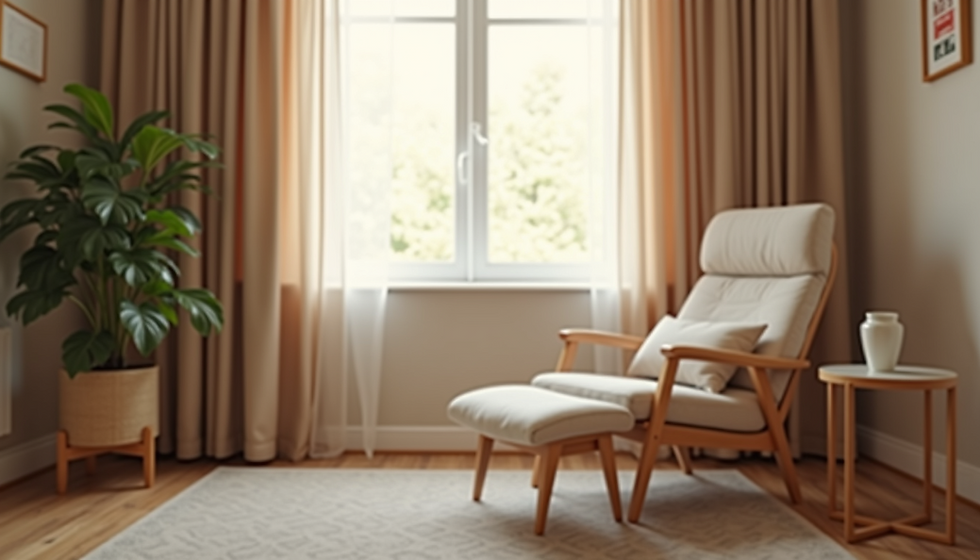
Your environment and daily habits play a significant role in managing anxiety. Creating a space that feels safe and comforting can reduce stress and promote relaxation. Here are some ideas to consider:
Declutter Your Space: A tidy, organized area can help your mind feel less chaotic.
Use Soothing Colors and Lighting: Soft, warm lighting and calming colors like blues and greens can create a peaceful atmosphere.
Incorporate Calming Scents: Aromatherapy with lavender, chamomile, or eucalyptus can support relaxation.
Establish a Consistent Routine: Regular sleep, meals, and self-care activities provide stability and predictability, which can ease anxiety.
In addition to your physical environment, nurturing supportive relationships is vital. Talking with trusted friends, family members, or a counselor can provide comfort and perspective. Remember, you don’t have to face anxiety alone.
Practical Tools for Managing Anxiety in Daily Life
When anxiety arises during your day, having quick and effective tools at hand can make a big difference. Here are some practical strategies you can use anytime:
Carry a Small Object: A smooth stone, a stress ball, or a piece of fabric can be a tactile reminder to ground yourself.
Use Positive Affirmations: Repeat gentle, encouraging phrases like “I am safe,” “This feeling will pass,” or “I am doing my best.”
Limit Stimulants: Reducing caffeine and sugar intake can help prevent spikes in anxiety.
Set Boundaries: Learn to say no when you need to protect your energy and mental health.
Practice Gratitude: Writing down three things you are grateful for each day can shift your focus toward positivity.
If you want to explore more options, you might find it helpful to look into anxiety coping tools that are tailored to your unique needs and preferences.
Embracing Compassion and Patience with Yourself
Managing anxiety is a journey, not a destination. It’s important to approach yourself with kindness and patience. Some days will feel easier than others, and that’s perfectly okay. Celebrate your small victories and remember that every step you take toward understanding and managing your anxiety is meaningful.
If you ever feel stuck or overwhelmed, reaching out for professional support can provide personalized guidance and care. Safe Mind Counseling is here to offer a culturally sensitive, compassionate space where you can feel truly understood and supported.
By integrating these tools for managing anxiety into your life, you create a foundation for healing and growth. You deserve to feel calm, safe, and empowered every day.
Thank you for taking the time to explore these strategies with me. I hope you find comfort and strength in these gentle, effective tools. Remember, you are not alone on this path. Together, we can navigate anxiety with hope and resilience.


Comments